
Ligament Injury in Ankle Treatment Bangalore
Ankle Pain After Injury: Ligament Injury Symptoms and Treatment
Ankle pain after a sudden twist, fall or sports injury may indicate damage to the ligaments that support the ankle joint. While mild sprains can improve with appropriate rest and rehabilitation, more severe injuries may cause persistent pain, swelling and joint instability. Ligament Injury in Ankle Treatment in Bangalore depends on the extent of ligament damage, the patient's activity level and whether the ankle joint remains stable. Early evaluation helps identify the injury and determine whether non-surgical treatment or a surgical procedure may be necessary.
What Is an Ankle Ligament Injury?
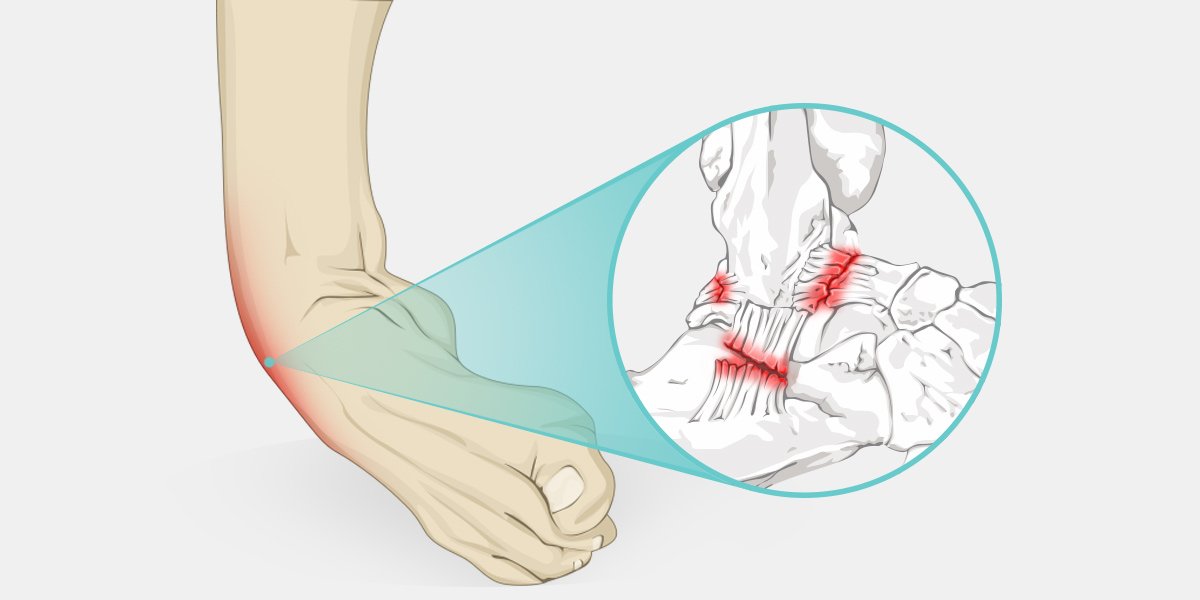
The ankle joint is supported by several ligaments that connect the bones and help maintain stability during walking, running and jumping.
An awkward landing, sudden change in direction or twisting movement can stretch or tear these ligaments. This injury is commonly known as an ankle sprain.
The lateral ligament complex on the outer side of the ankle is frequently affected. It includes three important ligaments:
- Anterior talofibular ligament (ATFL)
- Calcaneofibular ligament (CFL)
- Posterior talofibular ligament (PTFL)
The ATFL is commonly injured when the foot rolls inward. Depending on the force involved, the injury may affect one or multiple ligaments.
Not all ankle injuries are ligament sprains. Fractures, tendon injuries and cartilage damage can produce similar symptoms and should be considered during evaluation.
Symptoms of an Ankle Ligament Injury
Symptoms vary depending on the severity and location of the injury. Some people experience immediate discomfort, while others notice increasing pain and swelling over the following hours.
Common warning signs include:
- Pain around the ankle: Pain may develop on the outer or inner side of the ankle, particularly while standing, walking or moving the foot.
- Swelling: Fluid accumulation around the injured area can cause visible swelling. It may increase after prolonged standing or physical activity.
- Bruising and tenderness: Discolouration and sensitivity around the ankle may occur due to damage to small blood vessels and surrounding tissues.
- Difficulty bearing weight: More significant ligament injuries can make walking painful or difficult.
- Restricted ankle movement: Bending the foot upward, pointing the toes or rotating the ankle may cause discomfort.
- Feeling of instability: Some individuals experience a sensation that the ankle may give way, particularly when walking on uneven surfaces or changing direction.
Persistent instability after an ankle injury should not be ignored, as it may indicate inadequate ligament healing or chronic ankle instability.
Common Causes of Ankle Ligament Injuries
Ankle ligament injuries can occur during everyday activities as well as sports.
- Sports injuries: Football, basketball, badminton and running involve jumping, sudden stops and rapid direction changes that can increase ankle injury risk.
- Walking on uneven surfaces: Stepping into a pothole or landing awkwardly can force the ankle beyond its normal range of movement.
- Improper landing: Landing with the foot turned inward after a jump can stretch or tear the outer ankle ligaments.
- Previous ankle sprains: An earlier injury that has not been fully rehabilitated may increase the risk of repeated sprains.
- Inadequate muscle control: Reduced balance, coordination or strength around the ankle may affect joint stability during movement.
An ankle sprain does not always result from intense physical activity. Even a minor misstep can cause ligament damage.
Grades of Ankle Ligament Injury
Doctors classify ankle sprains according to the extent of ligament damage.
Grade 1 – Mild sprain
The ligament is stretched, with microscopic damage but no significant tearing. Mild pain and swelling may occur, and the ankle generally remains stable.
Grade 2 – Moderate sprain
The ligament is partially torn. Swelling, bruising and pain may be more noticeable, with some difficulty bearing weight. Joint stability may be reduced.
Grade 3 – Severe sprain
The ligament is completely torn. Significant swelling, pain and instability may develop. Walking can become difficult, and further assessment is necessary to determine the extent of damage.
The grade of injury helps guide treatment, but the patient's symptoms, examination findings and activity requirements also influence clinical decisions.
How Is an Ankle Ligament Injury Diagnosed?
A proper diagnosis helps distinguish a ligament sprain from other injuries that may require different treatment.
An orthopaedic specialist may recommend:
Physical examination: The doctor examines swelling, tenderness, ankle movement and the ability to bear weight. Specific stability tests may help identify damage to individual ligaments.
X-ray: An X-ray may be advised when a fracture is suspected, particularly if there is bone tenderness or difficulty bearing weight.
Ultrasound: This investigation can help assess certain ligament and tendon injuries.
MRI scan: An MRI provides detailed images of ligaments, tendons, cartilage and other soft tissues. It may be recommended when symptoms persist, a significant injury is suspected or additional structural damage needs evaluation.
Not every ankle sprain requires an MRI. The choice of investigation depends on the clinical examination and suspected injury.
Non-Surgical Treatment for Ankle Ligament Injuries
Treatment depends on the severity of the sprain, ankle stability and the patient's ability to perform daily activities.
Early Care and Protection
During the early stages, protecting the injured ankle and avoiding activities that worsen pain can help manage symptoms.
- Protection: Avoid movements that may aggravate the injury.
- Rest: Temporarily reduce activities that cause pain.
- Ice: Applying a cold pack wrapped in a towel for short periods may help reduce pain and swelling.
- Compression: An appropriate compression bandage may help control swelling.
- Elevation: Keeping the ankle raised when resting may help reduce fluid accumulation.
Avoid applying ice directly to the skin. Severe pain, deformity or inability to bear weight requires medical assessment rather than relying only on home care.
Bracing and Ankle Support
An ankle brace, supportive footwear or temporary immobilisation may be recommended depending on the injury. These measures help protect the joint while the ligament recovers.
The duration of support depends on the severity of the sprain and the treating specialist's assessment.
Physiotherapy and Rehabilitation
Physiotherapy plays an important role in ankle injury recovery. Once appropriate protection has been provided, rehabilitation may include:
- Gentle ankle movement exercises.
- Strengthening of the surrounding muscles.
- Balance and proprioception training.
- Controlled weight-bearing activities.
- Gradual return to running and sports-specific movements.
Rehabilitation helps restore movement, strength and coordination, reducing the risk of repeated ankle sprains.
When Is Ankle Ligament Surgery Needed?
Most ankle sprains improve with non-surgical treatment. However, surgery may be considered in selected patients who continue to experience significant instability despite appropriate rehabilitation.
Surgical treatment may be discussed when:
- The ankle repeatedly gives way during everyday activities or sports.
- Chronic instability continues despite physiotherapy and bracing.
- Significant ligament damage is associated with other structural injuries.
- The patient has persistent functional limitations affecting work or sporting activities.
One procedure used for chronic lateral ankle instability is the Brostrom repair. It involves repairing and tightening the damaged lateral ankle ligaments to improve joint stability. In certain cases, ligament reconstruction may be considered depending on tissue quality and the nature of the injury.
The decision to operate depends on the clinical findings, injury history, imaging and individual activity requirements. Surgery is not routinely required for every ligament tear.
When Should You See a Doctor?
Seek medical evaluation if ankle pain and swelling do not improve, walking remains difficult or the joint feels unstable after an injury.
Prompt assessment is particularly important if you:
- Cannot bear weight on the injured foot.
- Have severe pain or significant swelling.
- Notice visible deformity around the ankle.
- Experience numbness, tingling or changes in foot colour.
- Have repeated ankle sprains or persistent instability.
A timely examination helps identify the injury and prevents other conditions, such as fractures or associated tendon injuries, from being overlooked.
Frequently Asked Questions
How long does an ankle ligament injury take to heal?
Mild sprains may improve within a few weeks, while moderate and severe injuries can take several weeks to months. Recovery depends on ligament damage, treatment and rehabilitation.
Can I walk with a torn ankle ligament?
Some people can walk with a partial ligament tear, although it may be painful. Walking with a complete tear may be difficult due to instability. The ability to walk does not reliably indicate the severity of the injury.
Can an ankle ligament tear heal without surgery?
Yes. Many partial and even complete ankle ligament tears can be managed without surgery using appropriate support and rehabilitation. Surgery may be considered when chronic instability persists.
Why does my ankle still hurt months after a sprain?
Persistent pain may be related to incomplete rehabilitation, chronic instability, cartilage damage, tendon injury or another associated condition. A clinical examination can help identify the reason.
Can I return to sports after an ankle ligament injury?
Return to sports should be gradual. Adequate ankle strength, balance, movement and functional stability are important before resuming activities involving jumping or sudden direction changes.
Consult Dr. Vijay Girish for Ankle Pain in Bangalore
An ankle injury that continues to cause pain or instability may need more than temporary rest. Identifying the affected ligament and understanding the extent of damage help determine the appropriate treatment pathway.
Dr. Vijay Girish is a Senior Consultant in Sports Orthopaedics and Arthroscopy, with qualifications including MBBS and DNB (Orthopaedics), and fellowship training in arthroscopy and sports medicine, joint replacement, and shoulder and knee arthroscopy and arthroplasty. His website also lists ankle procedures, including Brostrom repair and treatment for ankle instability.
For Ankle Pain Treatment in Bangalore, patients can consult Dr. Vijay Girish at Vijaysheela Sports-Orthopaedics Centre, New BEL Road, or HOSMAT Hospital, Bengaluru.
Appointment: +91 9686697537
Book Appointment