
Rotator Cuff Tear Surgery in Bangalore
Rotator Cuff Tear: Symptoms, Causes and When Surgery Is Needed
Shoulder pain that persists while lifting your arm, reaching behind your back or sleeping on one side may indicate a rotator cuff injury. A rotator cuff tear occurs when one or more tendons supporting the shoulder joint become partially or completely damaged. While some tears improve with physiotherapy and other non-surgical treatments, others may require surgery to restore shoulder function. Understanding the severity of the injury is important when deciding whether Rotator Cuff Tear Surgery in Bangalore is appropriate.
What Is a Rotator Cuff Tear?
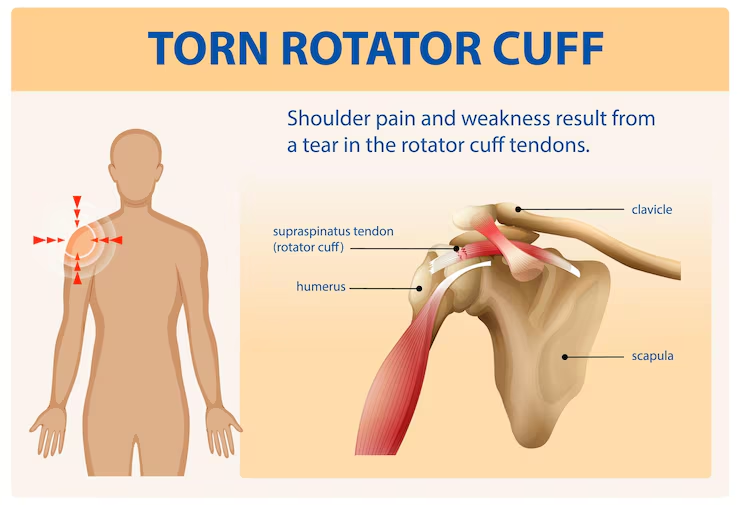
The rotator cuff is a group of four muscles and their tendons that surround the shoulder joint. These structures help keep the upper arm bone positioned correctly within the shoulder socket while allowing movements such as lifting, rotating and reaching.
A tear develops when one of these tendons becomes damaged or separates partially or completely from the bone. The supraspinatus tendon is commonly affected.
Rotator cuff tears are generally classified into two types:
- Partial-thickness tear: The tendon is damaged but not completely separated.
- Full-thickness tear: The tendon is torn through its entire thickness and may detach from the bone.
The severity, location and size of the tear influence the symptoms and treatment approach.
Symptoms of a Rotator Cuff Tear
Symptoms can develop suddenly after an injury or gradually due to tendon degeneration. Some people experience mild discomfort, while others notice significant weakness that affects everyday activities.
Common symptoms include:
- Shoulder pain: Discomfort around the outer shoulder, particularly while raising or lowering the arm.
- Night pain: Shoulder discomfort that becomes noticeable when lying on the affected side and may disturb sleep.
- Arm weakness: Difficulty lifting objects, carrying bags or performing overhead activities.
- Restricted movement: Trouble reaching behind the back, dressing or combing hair.
- Clicking or catching sensations: Some individuals experience clicking or discomfort during shoulder movements.
- Pain during rotation: Discomfort when turning the arm outward or inward against resistance.
Symptoms can affect either shoulder. A Rotator Cuff Tear Right Shoulder may make activities such as writing, lifting or reaching difficult for someone who predominantly uses their right hand. Similarly, a Rotator Cuff Tear Left Shoulder can interfere with daily activities involving the left arm.
Persistent weakness or difficulty raising the arm should be evaluated rather than assumed to be ordinary muscle strain.
What Causes a Rotator Cuff Tear?
Rotator cuff injuries can occur due to sudden trauma or gradual tendon wear.
1. Age-related tendon degeneration
As people grow older, the tendons may gradually lose strength and become more vulnerable to injury. Repeated stress over several years can contribute to small tears.
2. Sports-related injuries
Activities involving repetitive overhead movements, such as swimming, badminton, tennis and throwing sports, can place additional stress on the shoulder tendons.
3. Sudden injuries or falls
Falling onto an outstretched arm, lifting a heavy object suddenly or experiencing a direct shoulder injury can cause an acute tear.
4. Repetitive overhead activities
Certain occupations and household activities involve repeatedly reaching overhead. Over time, this may contribute to tendon irritation and damage.
5. Previous shoulder problems
Existing shoulder conditions, including tendon degeneration and certain structural abnormalities, may increase the likelihood of rotator cuff injury.
Not every person with shoulder pain has a rotator cuff tear. A proper clinical assessment is necessary to identify the underlying cause.
How Is a Rotator Cuff Tear Diagnosed?
Diagnosis involves understanding the patient's symptoms, examining shoulder movement and identifying the extent of tendon damage.
An orthopaedic specialist may recommend the following evaluations:
Physical examination: The doctor assesses shoulder strength, range of motion, tenderness and pain during specific movements. Different clinical tests help evaluate individual rotator cuff tendons.
X-ray: Although X-rays cannot directly show tendon tears, they can help identify bone spurs, arthritis, fractures or other structural changes.
Ultrasound: This imaging test can help assess the rotator cuff tendons and identify certain partial or full-thickness tears.
MRI scan: An MRI provides detailed images of the shoulder's soft tissues. It helps determine the tear's location, size, tendon retraction and associated muscle changes. These findings can be useful when planning treatment or considering surgery.
The choice of investigations depends on the examination findings and the patient's individual circumstances.
Can a Rotator Cuff Tear Be Treated Without Surgery?
Yes. Many rotator cuff tears, particularly smaller or partial-thickness tears, can be managed without surgery.
Treatment depends on the patient's age, activity level, symptoms, tear characteristics and functional requirements.
Activity modification: Temporarily reducing repetitive overhead movements and activities that aggravate pain can help prevent further irritation.
Medications: A doctor may recommend appropriate pain-relieving or anti-inflammatory medication based on the patient's medical history.
Physiotherapy: Guided exercises help improve shoulder mobility, strengthen surrounding muscles and support better joint function. Exercises should be selected according to the injury and pain level.
Injections: In selected cases, a corticosteroid injection may be considered for short-term symptom relief. Its suitability, potential risks and limitations should be discussed with the treating specialist.
Non-surgical treatment can improve comfort and function, although it does not necessarily repair a structurally torn tendon.
When Is Rotator Cuff Surgery Needed?
Surgery may be considered when the tear significantly affects shoulder function or symptoms continue despite an appropriate course of non-surgical treatment.
An orthopaedic surgeon may discuss surgery in situations such as:
- A large or full-thickness tear associated with significant weakness.
- A sudden traumatic tear, particularly in an otherwise functional shoulder.
- Persistent pain and restricted movement despite physiotherapy and other treatments.
- Difficulty performing work-related, sporting or everyday activities.
- Progressive symptoms or tear characteristics that raise concerns about further tendon damage.
The decision is not based on MRI findings alone. Some people have tears visible on scans without significant symptoms, while others experience considerable functional difficulties.
The potential benefits, risks, recovery requirements and suitability of surgery should be discussed before proceeding.
How Is Rotator Cuff Repair Performed?
Rotator cuff repair is commonly performed using arthroscopic techniques, depending on the nature of the injury.
During arthroscopic surgery, a small camera and specialised instruments are inserted through small incisions around the shoulder. The surgeon examines the joint, assesses the tendon damage and, when appropriate, reattaches the torn tendon to the upper arm bone using surgical anchors and sutures.
The exact procedure depends on the tear's size, location, tissue quality and associated shoulder problems.
Recovery After Rotator Cuff Surgery
Following surgery, the shoulder may need to be supported in a sling for a prescribed period. Rehabilitation is introduced gradually, progressing from protected movement to strengthening exercises under professional supervision.
Recovery varies between individuals. Tendon healing and return to activities depend on the severity of the tear, surgical findings and adherence to rehabilitation.
When Should You Seek Medical Assessment?
Do not ignore shoulder pain that continues to interfere with sleep, work or daily activities. Seek medical assessment if you experience persistent weakness, difficulty raising your arm or pain that does not improve with appropriate rest and care.
Following a fall or sudden injury, seek prompt evaluation if you develop severe pain or are unable to lift your arm. A visibly deformed shoulder, suspected dislocation or associated numbness and weakness requires urgent medical attention.
Early assessment helps identify the injury and determine an appropriate treatment plan.
Frequently Asked Questions
Can a rotator cuff tear heal on its own?
Some partial tears may improve symptomatically with activity modification and physiotherapy. However, a completely torn tendon generally does not reconnect to the bone without surgical repair. Treatment depends on the tear and symptoms.
Is rotator cuff surgery always necessary for a full-thickness tear?
No. Some full-thickness tears can be managed without surgery, particularly when symptoms are manageable and shoulder function is acceptable. Surgery may be considered when pain, weakness or functional limitations are significant.
How long does recovery take after rotator cuff surgery?
Recovery often takes several months. Tendon healing, sling use, physiotherapy and strengthening progress at different stages. The timeline depends on the tear and the procedure performed.
Can I exercise with a rotator cuff tear?
Some exercises may be appropriate, but activities that increase pain or place excessive stress on the injured tendon should be avoided. A physiotherapist or orthopaedic specialist can recommend suitable exercises.
Can a rotator cuff tear affect both shoulders?
Yes. Rotator cuff problems can affect either or both shoulders, particularly when tendon degeneration or repetitive activities are involved. Each shoulder should be assessed independently to determine the extent of damage.
Consult Dr. Vijay Girish in Bangalore
Persistent shoulder pain and weakness deserve proper evaluation, especially when they begin affecting everyday movement. Identifying the type and extent of a rotator cuff tear helps determine whether physiotherapy, conservative management or surgical repair may be appropriate.
Dr. Vijay Girish is a Senior Consultant in Sports Orthopaedics and Arthroscopy, with qualifications including MBBS and DNB (Orthopaedics), and fellowships in arthroscopy and sports medicine, joint replacement, and shoulder and knee arthroscopy and arthroplasty.
For an assessment of shoulder injuries and discussion of suitable treatment options, consult Dr. Vijay Girish at Vijaysheela Sports-Orthopaedics Centre, New BEL Road, or HOSMAT Hospital, Bengaluru.
Appointment: +91 9686697537
Book Appointment