
Looking for Shoulder Pain Treatment in Bangalore New BEL Road
Shoulder Pain When Lifting Your Arm: Causes & Treatment Options
If your shoulder hurts when you lift your arm, reach overhead, put on a shirt, comb your hair, or place something on a shelf, you may wonder what is causing the pain. Sometimes shoulder pain develops gradually from overuse, while in other cases it can start suddenly after an injury.
Pain while raising the arm can be related to the rotator cuff, shoulder tendons, bursa, joint, muscles, or surrounding tissues. Common causes include rotator cuff problems, shoulder impingement, frozen shoulder, tendon inflammation, arthritis, and sports-related injuries.
Because several shoulder conditions can cause similar symptoms, persistent pain should not be self-diagnosed. A clinical examination can help identify the likely cause and guide treatment.
Why Does My Shoulder Hurt When I Lift My Arm?
The shoulder is a complex joint that allows the arm to move in many directions. The rotator cuff, a group of muscles and tendons around the shoulder, helps lift and rotate the arm. Problems affecting these structures can make overhead movements painful.
You may notice pain when:
- Raising your arm above your head
- Reaching behind your back
- Putting on or removing clothes
- Combing your hair
- Reaching for an object on a high shelf
- Sleeping on the affected shoulder
- Lifting or carrying something
- Playing overhead sports
The location and nature of the pain can provide clues, but they do not establish the diagnosis by themselves.
Common Causes of Shoulder Pain When Raising Your Arm
1. Rotator Cuff Problems
The rotator cuff helps keep the upper arm bone stable while allowing the shoulder to move.
Rotator cuff problems can develop gradually because of age-related tendon changes, repetitive overhead activity, sports, or an injury such as a fall. Rotator cuff tears can cause pain and weakness, particularly when lifting or rotating the arm.
You may experience:
- Pain when lifting the arm
- Shoulder weakness
- Difficulty reaching overhead
- Pain at night
- Difficulty performing everyday activities
A rotator cuff problem does not automatically mean that surgery is required. Treatment depends on the type and size of the tear, the cause, symptoms, activity level, and overall health.
2. Shoulder Impingement
Shoulder impingement can cause pain when the arm is raised, particularly during overhead activities.
The symptoms may feel like pain at the front or side of the shoulder. Repetitive overhead movements can aggravate the discomfort.
Treatment may include activity modification, physiotherapy, strengthening exercises and medicines when appropriate. Persistent symptoms may require further assessment to determine whether another shoulder problem is present.
3. Frozen Shoulder
Frozen shoulder, also called adhesive capsulitis, causes pain and increasing stiffness in the shoulder.
Unlike some other shoulder conditions, the main problem is not only pain but also restricted movement. You may gradually find it difficult to raise the arm, reach behind your back, or perform everyday activities.
Frozen shoulder generally develops in stages. Pain can become worse with movement, followed by significant stiffness.
Treatment may involve pain management, physiotherapy and exercises designed to gradually restore movement. The treatment plan depends on the stage and severity of the condition.
4. Shoulder Tendon or Bursa Inflammation
Repeated lifting, sports, household activities, or work involving repetitive arm movements can irritate tissues around the shoulder.
This may result in pain during certain movements, particularly overhead activity.
Reducing activities that aggravate the pain and following a structured rehabilitation programme may help in appropriate cases. However, continuing to repeatedly overload a painful shoulder can make recovery more difficult.
5. Shoulder Arthritis
Arthritis can affect the shoulder joint and may cause pain, stiffness and reduced movement.
You may experience discomfort while lifting your arm, reaching behind your back or performing daily activities. Some people also notice grinding or stiffness.
Shoulder arthritis is more common with increasing age, although previous injuries and other joint problems can also contribute.
Treatment depends on the severity of the condition and may range from non-surgical management and physiotherapy to surgical options in selected advanced cases.
6. Sports or Sudden Injuries
A fall, collision, sudden pull, lifting injury, or sports-related movement can injure the shoulder.
An acute injury may affect the rotator cuff, shoulder joint, muscles, ligaments or other structures.
If you suddenly develop significant pain, weakness, swelling or inability to move the arm after an injury, an orthopaedic evaluation is important.
What Other Symptoms Should I Look For?
Shoulder pain when lifting the arm may occur with other symptoms. Pay attention to:
- Shoulder stiffness
- Weakness
- Swelling
- Clicking or popping
- Pain at night
- Reduced range of motion
- Difficulty reaching overhead
- Difficulty dressing
- Pain while sleeping on the affected side
- A sudden loss of shoulder strength
The combination of symptoms can help an orthopaedic specialist determine which structures may need further evaluation.
When Should I See a Shoulder Doctor?
You should consider an orthopaedic consultation if:
- Shoulder pain continues for several weeks
- The pain is getting worse
- You cannot raise your arm normally
- You have persistent weakness
- Shoulder pain regularly wakes you at night
- Pain interferes with work, exercise, or daily activities
- Symptoms started after a fall or sports injury
- The shoulder repeatedly clicks, catches, or feels unstable
Seek prompt medical attention after a significant injury if you cannot move the arm, the shoulder appears deformed, or there is severe pain or swelling.
Persistent shoulder pain does not necessarily mean you need surgery. Getting the cause identified first helps determine whether physiotherapy, medication, activity modification, injections, or surgery may be appropriate.
How Is Shoulder Pain Diagnosed?
Diagnosis usually begins with your medical history and a physical examination. Your doctor may ask:
- When did the pain start?
- Was there an injury?
- Which movement causes the most pain?
- Can you raise the arm completely?
- Do you have weakness?
- Does the shoulder hurt at night?
- Have you previously injured or operated on the shoulder?
- What activities or sports do you regularly perform?
The shoulder's range of motion and strength may then be assessed.
Depending on the examination, imaging may be recommended. X-rays can provide information about bones and joint changes, while ultrasound or MRI can help evaluate soft tissues such as rotator cuff tendons. AAOS notes that clinical examination combined with imaging can improve assessment of suspected rotator cuff tears.
Not everyone with shoulder pain requires an MRI.
What Are the Treatment Options for Shoulder Pain?
Treatment depends on the underlying condition. Possible approaches include:
Activity Modification
Temporarily reducing movements that repeatedly aggravate the shoulder may help reduce irritation while the underlying problem is assessed.
Physiotherapy
A structured rehabilitation programme can help improve shoulder movement, flexibility and muscle strength.
Exercises should be selected according to the specific condition. Shoulder strengthening programmes commonly include exercises targeting the rotator cuff and surrounding muscles.
Medicines
Depending on your health and the cause of the pain, a doctor may recommend appropriate pain-relieving or anti-inflammatory medication.
Injections
In selected shoulder conditions, an injection may be considered to help manage pain and inflammation. The type of injection and whether it is appropriate depends on the diagnosis.
Arthroscopic or Other Surgery
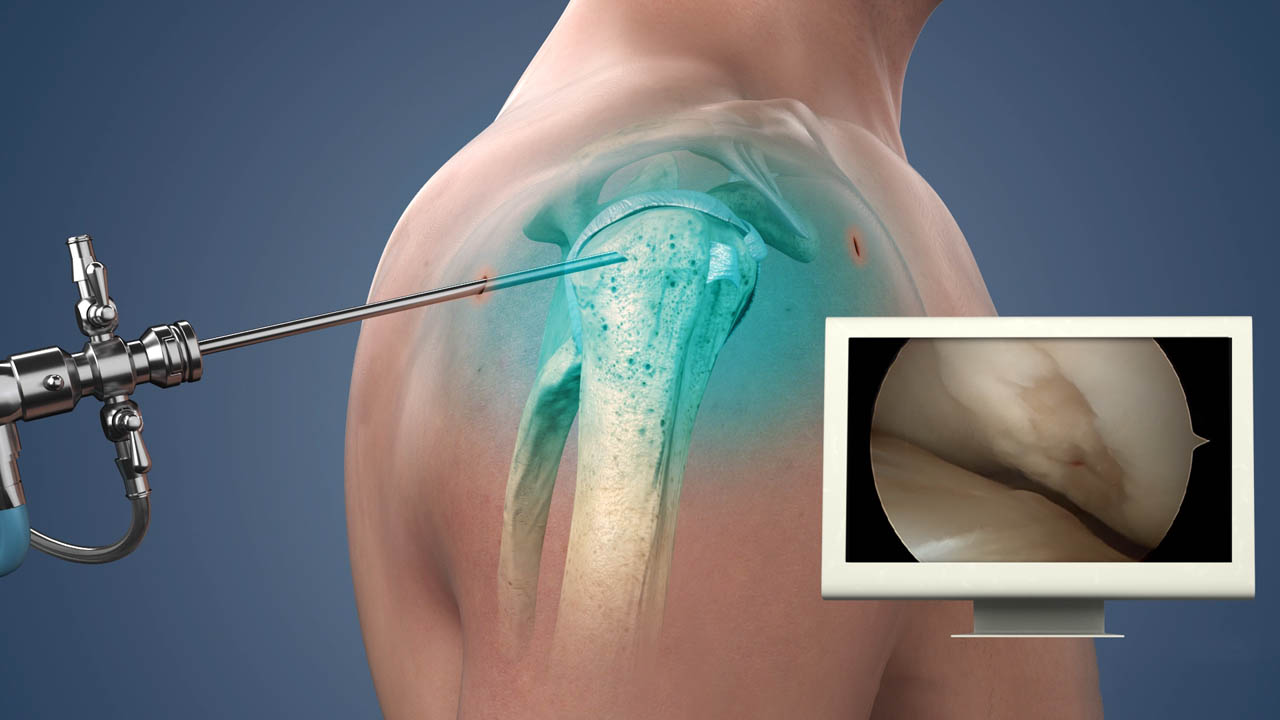
Some structural shoulder problems may require surgery when symptoms persist despite appropriate non-surgical treatment or when the injury is significant.
For example, selected rotator cuff tears may be treated surgically depending on factors such as the type of tear, symptoms, activity requirements and overall health. Not every rotator cuff tear requires immediate surgery.
What Can I Do Until I See a Doctor?
If shoulder pain is mild and there has been no significant injury, avoid repeatedly performing movements that clearly worsen the pain. You can also:
- Avoid heavy overhead lifting temporarily
- Maintain gentle movement without forcing painful ranges
- Take regular breaks from repetitive activities
- Pay attention to sleeping positions
- Avoid starting aggressive shoulder exercises without knowing the cause
If pain persists or movement becomes increasingly restricted, professional assessment is preferable to continuing self-treatment.
Shoulder Pain Treatment in Bangalore New BEL Road
If you are searching for Shoulder Pain Treatment in Bangalore New BEL Road, the first step is identifying why the shoulder hurts when you raise your arm.
At Vijaysheela Sports-Orthopaedics & Wellness Centre, Dr. Vijay Girish provides orthopaedic and sports-medicine care for shoulder conditions. His current website lists shoulder surgeries, rotator cuff repair and sports injury care among his services.
Dr. Vijay Girish is a Senior Consultant Sports Orthopaedics, Arthroscopy and Robotic Joint Replacement Surgeon and is listed as a knee and shoulder specialist at HOSMAT Hospital, Bangalore. His qualifications include DNB in Orthopaedics and fellowships in arthroscopy, sports medicine, joint replacement, and shoulder and knee arthroscopy and arthroplasty.
Patients searching for a Shoulder Pain Doctor in BEL Road Bangalore can have their symptoms assessed to determine whether the problem is related to the rotator cuff, frozen shoulder, impingement, arthritis, injury, or another condition.
FAQs About Shoulder Pain When Lifting the Arm
Why does my shoulder hurt when I raise my arm?
Shoulder pain during arm elevation can occur because of rotator cuff problems, impingement, frozen shoulder, arthritis, tendon irritation, muscle problems or an injury. An examination is needed to identify the cause.
Can a rotator cuff tear heal without surgery?
Some rotator cuff problems can be managed without surgery. The appropriate treatment depends on the type and size of the tear, symptoms, activity level and other individual factors.
Why does my shoulder hurt more at night?
Several shoulder conditions can cause nighttime pain, including rotator cuff problems and frozen shoulder. If shoulder pain regularly interferes with sleep, an orthopaedic assessment can help identify the cause.
Does shoulder pain always require surgery?
No. Many shoulder conditions are initially managed with activity modification, physiotherapy, medicines or other non-surgical treatments. Surgery is considered when the specific condition and symptoms make it appropriate.
When should I see a shoulder specialist?
See a specialist if pain persists, movement becomes restricted, you develop weakness, symptoms interfere with daily activities or the pain started after an injury.
Consult for Shoulder Pain in New BEL Road, Bangalore
Shoulder pain when lifting your arm can come from several different structures, and similar symptoms can occur with very different conditions. Rather than assuming that the pain is simply due to age or overuse, an examination can help identify the underlying problem.
If you are looking for Shoulder Pain Treatment in Bangalore New BEL Road or a Shoulder Pain Doctor in BEL Road Bangalore, Dr. Vijay Girish provides consultation and treatment for shoulder and sports-related conditions.
Dr. Vijay Girish
Senior Consultant Sports Orthopaedics, Arthroscopy & Robotic Joint Replacement Surgeon
Clinic: Vijaysheela Sports-Orthopaedics & Wellness Centre
Address: #34, 4th Main, New BEL Road, RMV Extension, Devasandra, Bengaluru
Landmark: Opposite Sweet Chariot and Axis Bank
Phone: +91 96866 97537
Email: dr.vijaygirish@gmail.com
Clinic Timings: Daily, 6:30 PM–9:30 PM
Dr. Vijay Girish also consults at HOSMAT Hospital, Magrath Road, Bengaluru. Please confirm the hospital consultation timing when booking.
If shoulder pain is affecting your ability to work, exercise, sleep, or perform everyday activities, getting the cause assessed can help you understand the appropriate treatment options.
Book Appointment