
Knee Replacement Surgery in Mathikere
When Do You Need Knee Replacement Surgery? 7 Signs You Should See a Specialist
Knee pain that makes it difficult to walk, climb stairs or get up from a chair can affect everyday life, especially when it continues despite treatment. If you are considering Knee Replacement Surgery in Mathikere, it is important to understand when knee damage may require a specialist's attention and which treatment options are available. People searching for a Knee Replacement Surgeon in Mathikere often want to know whether their symptoms are severe enough for surgery or whether medication, physiotherapy and lifestyle changes may still help. The answer depends on the condition of the knee, the level of pain, mobility and response to previous treatment. An orthopaedic assessment in Bengaluru can help identify the cause of your symptoms and determine whether knee replacement is appropriate for you.
What Is Knee Replacement Surgery?
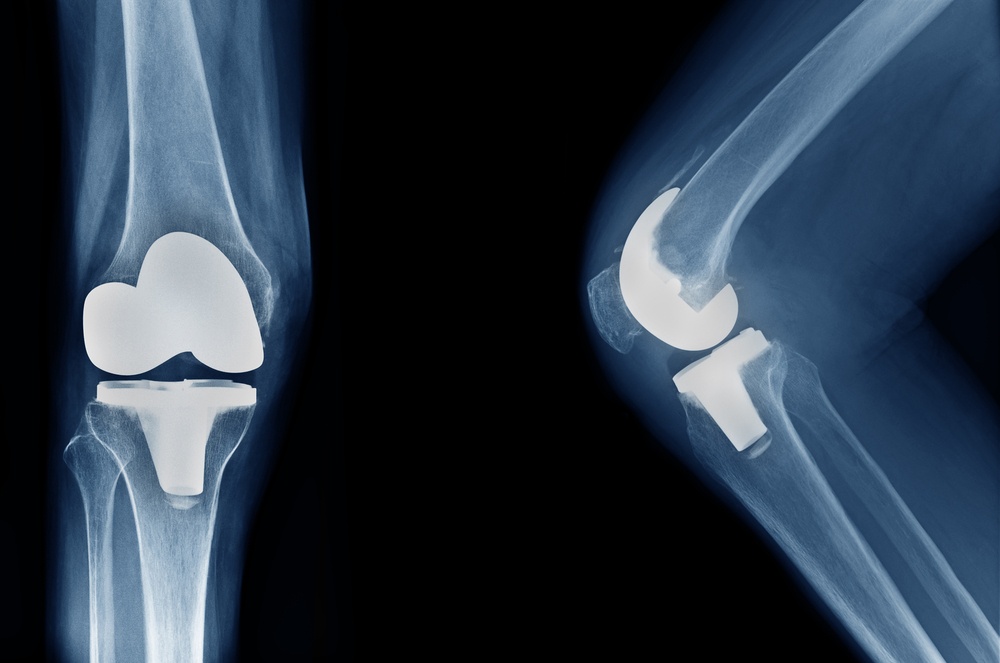
Knee replacement surgery is a procedure in which damaged joint surfaces are replaced with artificial components to help reduce pain and improve knee function. It is commonly considered for people with advanced osteoarthritis, where the protective cartilage in the knee gradually wears away.
As cartilage becomes thinner, the bones may rub against each other, causing pain, stiffness and reduced movement. Knee replacement may be recommended when these symptoms significantly affect daily activities and non-surgical treatments no longer provide sufficient relief.
However, knee pain alone does not mean you need surgery. The decision depends on your symptoms, examination findings, imaging results, overall health and personal needs.
1. Persistent Knee Pain During Daily Activities
One of the main reasons people consider knee replacement is persistent pain that interferes with normal activities.
You may notice pain while walking, standing for long periods, shopping, doing household tasks or getting in and out of a vehicle. Activities that were once comfortable may start requiring frequent breaks.
Pain that continues despite appropriate treatment deserves assessment. A specialist can determine whether the problem is caused by advanced arthritis or another condition and discuss the available options.
2. Difficulty Climbing Stairs
If climbing stairs causes significant knee pain, stiffness or a feeling of weakness, it may indicate that the joint is not functioning comfortably.
Some people begin using the railing more often, taking one step at a time or avoiding stairs altogether. These changes may happen gradually, making it easy to adjust daily routines without recognising how much mobility has been affected.
Difficulty with stairs can have several causes, so it does not automatically indicate a need for knee replacement. A clinical examination can help establish whether arthritis or another problem is responsible.
3. Persistent Knee Stiffness
Knee stiffness may be noticeable when you first get out of bed, stand after sitting for a long time or begin walking after a period of rest.
In osteoarthritis, stiffness can occur alongside pain, reduced flexibility and difficulty bending or straightening the knee. As the condition progresses, these symptoms may interfere with routine movements.
If stiffness is persistent or becoming more limiting, seek an orthopaedic assessment. The specialist can evaluate the joint and determine whether exercise, physiotherapy, medication or another treatment is suitable.
4. Non-Surgical Treatments No Longer Provide Enough Relief
Many people with knee arthritis can manage their symptoms without surgery, particularly in the earlier stages. Treatment may include physiotherapy, strengthening exercises, activity modification, weight management where appropriate and medication prescribed by a clinician.
However, if pain continues despite a suitable treatment plan, it may be time to discuss other options.
When is knee replacement needed? It may be considered when the knee has significant damage, pain remains troublesome and non-surgical treatment no longer provides an acceptable level of relief. The decision should be based on the overall clinical picture rather than a fixed number of months or years of pain.
5. Knee Pain That Disturbs Your Sleep
Persistent knee pain may continue even when you are resting. Some people find it difficult to get comfortable in bed, wake up because of discomfort or struggle to find a sleeping position that does not aggravate the knee.
Sleep disturbance can affect energy, mood and the ability to manage daily activities.
If knee pain regularly interrupts your sleep, consult an orthopaedic specialist. This symptom does not confirm that knee replacement is required, but it is important to understand why the pain is occurring and whether the current treatment plan needs to be reviewed.
6. Reduced Walking Ability
You may find that you can no longer walk as far as you used to without stopping. Walking around a market, visiting friends or taking a short outdoor walk may become uncomfortable.
Some people gradually reduce physical activity to avoid pain. Over time, reduced movement can contribute to muscle weakness and make daily tasks more difficult.
If your walking ability is declining because of knee symptoms, a specialist can assess joint damage, muscle strength and balance. Depending on the findings, treatment may involve rehabilitation or, in selected cases, knee replacement surgery.
7. Changes in Knee Alignment or Movement
Advanced knee arthritis can sometimes cause changes in leg alignment, such as the knees appearing more bowed or angled. You may also notice difficulty fully straightening the knee or a reduced range of movement.
These changes may develop gradually and can affect walking comfort and stability. However, visible alignment changes alone do not determine whether surgery is necessary.
An orthopaedic assessment, together with appropriate imaging, can help establish the extent of joint damage and whether knee replacement or another treatment is appropriate.
How Does a Specialist Decide Whether Knee Replacement Is Needed?
A knee replacement recommendation is based on more than an X-ray or a single symptom. The specialist will consider several factors, including:
- Your symptoms: How often you experience pain and how much it affects daily activities.
- Physical examination: Knee movement, swelling, alignment, stability and function.
- Imaging: X-rays may help show joint-space narrowing and other changes associated with arthritis.
- Previous treatment: Whether medication, physiotherapy and other suitable measures have helped.
- Overall health and goals: Medical conditions, activity requirements and expectations from treatment.
The specialist will explain the likely benefits and risks of the available options so you can make an informed decision.
Does Knee Arthritis Always Require Surgery?
No. Treatment depends on the severity of the condition and the person's symptoms.
For some patients, exercise-based physiotherapy, strengthening the muscles around the knee, modifying activities and appropriate medication may help manage symptoms. Other treatments may be considered according to the diagnosis and individual circumstances.
When arthritis is advanced and pain continues to limit daily life despite appropriate non-surgical care, partial or total knee replacement may be discussed. The choice depends on which parts of the joint are affected and the patient's clinical assessment.
No treatment can guarantee a particular outcome, and recovery varies from person to person. Discuss the expected recovery process, rehabilitation needs and possible complications with your treating surgeon.
Consulting a Knee Replacement Surgeon in Mathikere
If knee pain is affecting your mobility, seeking advice early can help you understand the cause and avoid relying on self-diagnosis. Patients looking for a Knee Replacement Surgeon in Mathikere or nearby areas of Bengaluru can consult an orthopaedic specialist to discuss symptoms, imaging findings and suitable treatment options.
Dr. Vijay Girish provides orthopaedic and joint replacement care in Bengaluru. His website lists consultations at Vijaysheela Sports-Orthopaedics & Wellness Centre on New BEL Road and at HOSMAT Hospital on Magrath Road. Contact the clinic to confirm the appropriate consultation location and appointment details.
https://www.drvijaygirish.com/contact.html
Frequently Asked Questions About Knee Replacement
When is knee replacement surgery needed?
It is generally considered when knee damage is significant, pain and stiffness affect daily activities, and suitable non-surgical treatments have not provided enough relief. The decision is individualised.
Does all knee pain require knee replacement?
No. Knee pain can have several causes, and many conditions can be managed without joint replacement. A specialist can assess the underlying problem and explain the treatment options.
Can knee replacement surgery be delayed?
Whether surgery can be delayed safely depends on the diagnosis, symptoms and level of joint damage. Discuss the benefits and risks of continuing non-surgical treatment with your orthopaedic specialist.
How do doctors decide if knee replacement is necessary?
Doctors consider symptoms, physical examination findings, imaging and response to previous treatment. An X-ray alone does not determine whether surgery is needed.
When should I seek urgent medical care for knee pain?
Seek prompt medical attention if the knee becomes suddenly very painful or swollen, especially if it is hot or red or you have a fever. These symptoms may indicate a problem requiring urgent evaluation.
Understanding Your Knee Replacement Options
Persistent knee pain, difficulty walking and reduced movement should not be dismissed as an inevitable part of aging. An assessment can help identify the cause of your symptoms and determine whether conservative treatment or knee replacement may be suitable.
If you are exploring Knee Replacement Surgery in Mathikere, consult a qualified orthopaedic specialist to discuss your condition and treatment choices. The right decision depends on your individual needs, clinical findings and informed discussion with your treating team.
Book Appointment